WhatsApp tips
Writing WhatsApp replies that don't feel like a chatbot
Tone, length, emoji discipline, and the three phrases that immediately reveal you're a bot.
19 February 2026 · 4 min read · The Zatty team
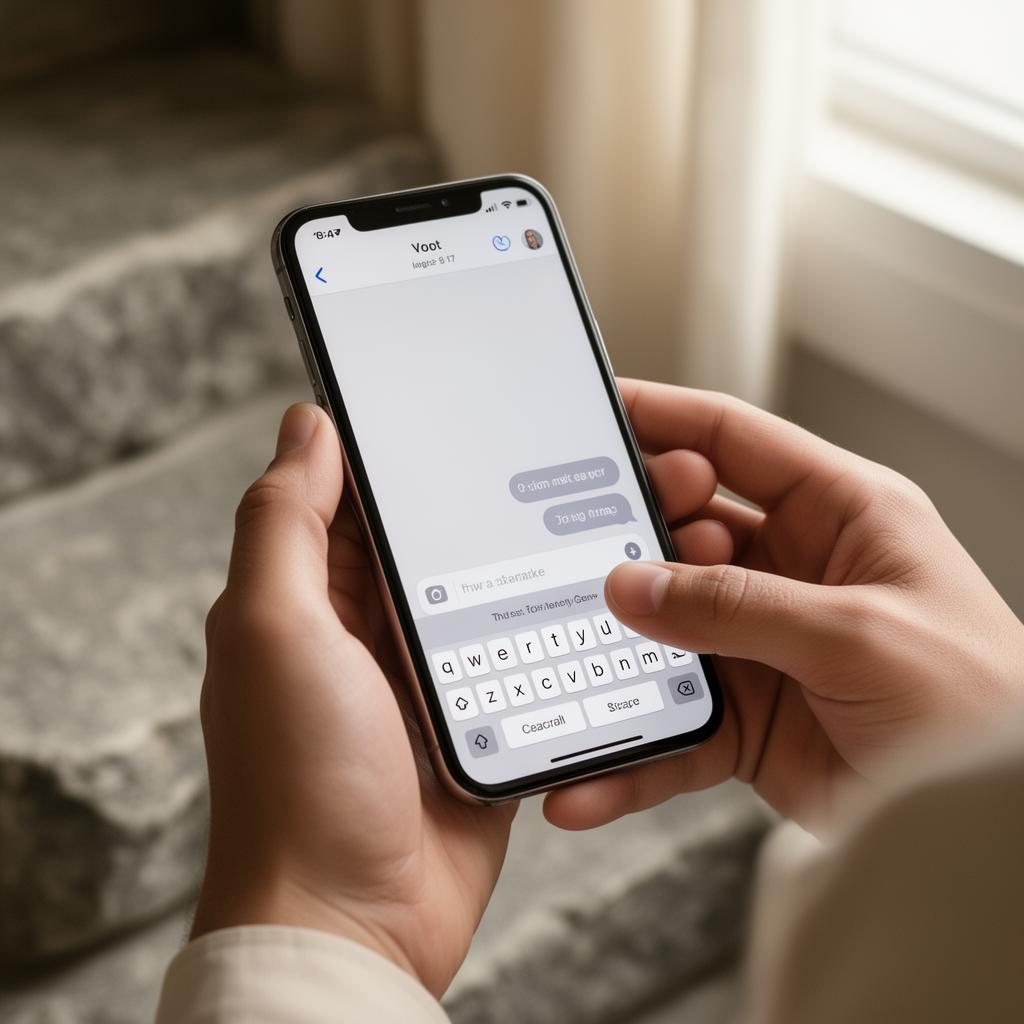
You know that feeling when you're chatting with a business on WhatsApp, and suddenly, it feels like you've hit a wall of robotic text? Most of your customers feel it too. It's not just about getting the answer; it's about how that answer makes them feel.
For Singapore SMEs, especially those running F&B outlets in areas like Tiong Bahru or bustling retail shops in Bugis, every customer interaction is gold. You want them to feel heard, valued, and like they're talking to a real person, not an algorithm struggling with Singlish.
The golden rule for WhatsApp replies? Keep it short and sweet, typically one to two sentences. People are on the go, maybe juggling kids at home in Tampines or rushing between meetings in the CBD. They don't have time for essays.
Emojis are your friends, but know when to use them. A simple 👍 or 🙏 can add a touch of warmth and informality, especially if your customer is using them first. But if it's a serious complaint about a faulty washing machine from a Jurong resident, laid out in formal English, skip the emojis. Read the room, lah.
There are some phrases that just scream "chatbot" louder than a cheap karaoke machine. Avoid "I understand your concern," "How may I assist you today," and definitely "Please be advised." These are corporate speak that strips away all personality. Your customers can tell; they're not bodoh.
Instead of "I understand your concern," try something more human like, "Oh dear, that sounds frustrating," or "Thanks for letting us know." It shows empathy without sounding like a script pulled from an FAQ page. Authenticity wins.
Mirroring your customer's tone is crucial. If they're casual and throwing in some "leh" or "lah," a touch of that in your reply can build rapport. But if they're formal and to the point, maintain that professionalism. It's about matching their energy, not mimicking it blindly.
Voice notes can be a game-changer, especially for complex queries that are hard to type out quickly, or when you want to add a personal touch. Imagine explaining a complicated order customisation for a cafe in Holland Village – a 30-second voice note feels much more personal and efficient than a rambling text.
The "one question at a time" rule is your secret weapon against confusion. Don't dump a series of questions on your customer. Ask one, get the answer, then ask the next. It keeps the conversation flowing smoothly and reduces cognitive load.
Ah, Singlish versus Standard English. This is where the local flavour comes in. If your audience is mostly local and comfortable with Singlish, a dash of it can make your replies feel more relatable and less sterile. Think "Can I help you with anything else?" versus "Anything else I can help with, ah?"
But if you're dealing with an international client or a more formal enquiry, stick to Standard English. It's about being culturally intelligent and knowing your audience. You wouldn't use full-on Singlish with a tourist asking for directions to Gardens by the Bay, right?
Here's a classic booking enquiry for an F&B spot in Katong: Before: "Dear customer, your request has been received. How may I assist you with your booking?" After: "Hey there! Thanks for reaching out. What date and time were you looking at for your reservation?" See the difference? One is cold, the other invites conversation.
Another one: Before: "Please be advised that your booking is not confirmed until a confirmation message is sent." After: "Just a heads up, your booking's not final till you get our confirmation message. We'll send it over soon!" Much friendlier, right?
Do's: 1. Keep replies to 1-2 sentences. It respects their time. 2. Mirror customer tone. It builds connection. 3. Use voice notes for complex explanations. It adds a human touch. 4. Ask one question at a time. It keeps things clear. 5. Inject a little Singlish if appropriate. It shows you're local. 6. Be proactive with solutions. They appreciate efficiency.
Don'ts: 1. Use corporate jargon. It sounds robotic. 2. Ask multiple questions at once. It overwhelms. 3. Overuse emojis, especially in formal contexts. It can trivialise serious matters. 4. Reply with generic "I understand your concern" lines. It lacks genuine empathy. 5. Leave customers hanging without a clear next step. They need to know what's next.
Ultimately, it’s about making your customers feel like they're chatting with a helpful neighbour, not a soulless FAQ bot. A little thought goes a long way in building loyalty and making them want to come back to your business, whether it's a florist in Katong or a tech startup in One-north.
Try reviewing your last 10 WhatsApp conversations with customers. Pick one and rewrite your reply to make it sound more like a human, less like a chatbot. Start small, but start somewhere.
Free download
Get the full WhatsApp playbook for SG SMEs (PDF)
38 pages of templates, scripts and benchmarks. No fluff.