Playbook
The hidden economics of no-shows (and how to recover them)
A 12% no-show rate isn't a customer problem. It's a reminder problem.
4 February 2026 · 6 min read · The Zatty team
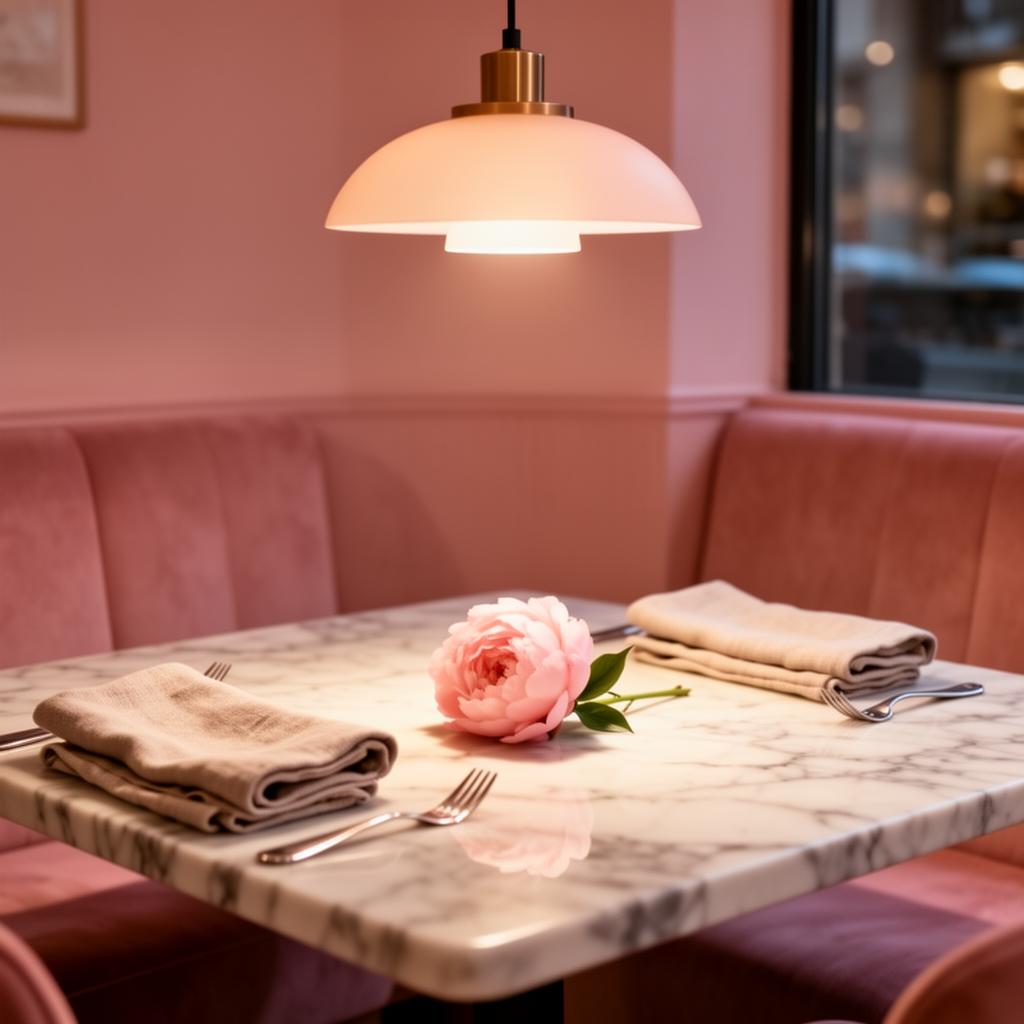
Every small business owner in Singapore knows the sting of a no-show. That empty chair at your Tiong Bahru cafe, the un-rendered facial service in Katong, the vacant tuition slot near Bishan. It’s not just about the lost revenue from that one booking; the ripple effect runs deeper, often hitting your pocket harder than you think.
Let's break down what a no-show truly costs. Say you run a hair salon in Orchard and a haircut is S$80. That’s your immediate loss. But before that, your senior stylist spent 15 minutes prepping their station. Your receptionist spent 5 minutes on the phone booking it in. That’s S$10-S$15 in labour cost already eaten up. Then there’s the opportunity cost: that slot could have gone to a walk-in, or a loyal customer trying to rebook, bringing in another S$80.
Industry averages in Singapore suggest around 12% of appointments across sectors like F&B, beauty, and health end up as no-shows. That percentage might seem small, but it adds up quickly. For a clinic in Jurong seeing 30 patients a day, that’s almost four missed appointments daily, easily S$200-S$400 in lost income and wasted resources.
Some businesses try to combat this with deposits, requiring customers to pay upfront or place a booking fee. While it sounds good in theory, forcing a deposit, especially for smaller bookings, can significantly increase friction in your booking process. We’ve seen conversion rates drop by as much as 30% when a deposit is introduced for a S$50 service. It’s a delicate balance.
The most effective strategy we
Our gold standard for battling no-shows is the "3-touch" reminder framework. This sequence usually brings no-show rates down to a remarkable 4% or even lower. It's simple but incredibly effective when timed correctly and delivered via the right channel.
The first touch is typically a 24-hour reminder, a friendly nudge that the appointment is coming up. This gives people ample time to reschedule if something unexpected has popped up. It's less confrontational than a same-day reminder, and catches a lot of genuine forgetfulness.
The second touch comes in at the 4-hour mark. This is when the appointment is truly on the horizon. This reminder should be concise, confirming the time and location. For businesses like restaurants or spas in Dempsey, this is crucial for final preparations and staff allocation.
The final touch, the 1-hour reminder, serves as a last-minute prompt for customers who might be en route or just finishing up another task. Think of a driving lesson in Bukit Timah or a physiotherapy session in Novena; this touch is often the difference between showing up and forgetting.
Now, about the channel. We’ve run countless A/B tests, and WhatsApp reminders consistently outperform traditional SMS by a long shot – often by a margin of 3.2 times higher confirmation rates. It makes sense, right? Everyone’s on WhatsApp, and it feels more personal, less like a generic broadcast.
For some high-demand services – think popular brunch spots in Holland Village or bespoke tailoring appointments – intentional overbooking can actually be a smart move. If your historical no-show rate for a Saturday afternoon is 15%, you might book 11 tables for 10 available slots. Just be careful not to overdo it, as customer experience is paramount.
Even with the best reminder systems, about 12% will still slip through the cracks. For these folks, a simple, polite follow-up message is key. Don't berate; genuinely inquire if everything is okay and offer an easy way to reschedule. This nurtures customer goodwill, turning a lost booking into a potential future one.
What do you send that 12%? Something like, "Hi [Name], we missed you at [Business Name] today for your [Service] appointment. We hope everything is alright! If you'd like to reschedule, just reply to this message, and we'll assist you." Keep it short, empathetic, and action-oriented.
Recovering revenue from no-shows is not about punishing customers, but about optimising your operations and enhancing communication. It’s about being proactive and meeting your customers where they are, which, for most Singaporeans, is on WhatsApp.
This isn't just about filling slots; it’s about reducing wasted labour, materials, and the sheer mental drain on your team. Better reminder systems lead to happier staff, clearer schedules, and ultimately, a healthier bottom line.
So, take a look at your current no-show rates, tally up those hidden costs, and start experimenting with a smarter, WhatsApp-first reminder sequence. Your balance sheet, and your peace of mind, will thank you for it.
The single best thing you can do today is to implement a 3-touch WhatsApp reminder system for all your bookings and start tracking the difference in your no-show rates.
Free download
Get the full WhatsApp playbook for SG SMEs (PDF)
38 pages of templates, scripts and benchmarks. No fluff.